
Things to Do in Lithuania in September
September weather, activities, events & insider tips
Low Season · Budget Friendly
September Weather in Lithuania
Long-run averages for September in Vilnius
63°F (17°C)
High Temp
47°F (8°C)
Low Temp
2.2 inches (56 mm)
Rainfall
73%
Humidity
4
Sunny-Day UV
⚠ First ground frost can occur in late September, inland and in the eastern part of the country. If you are camping or staying in rural guesthouses without central heating, nights in the final week of the month can be cold, dropping below 5 degrees Celsius (41 degrees Fahrenheit). Bring warmer layers than you think you need for sleeping. Pack smart.
⚠ Fog is common on mornings near the lakes and in the river valleys, around Trakai and the Nemunas basin. This can reduce visibility for driving and delay early-morning activities by an hour or two until the sun burns it off. Plan driving routes with this in mind if you are renting a car. Check conditions.
Making the most of September in Lithuania? Browse tours and activities in Lithuania on GetYourGuide.
Is September Right for You?
Weigh the advantages and considerations before booking
Advantages
- + Lithuania's forests blanket roughly a third of the country, and the autumn turn begins in late September. Birch groves around Trakai go gold first. Oaks in Dzukija follow a week or two later. The effect along the Neris River valley outside Vilnius stops you mid-step. Early September still carries enough summer warmth for comfortable full-day walking. By the final week, the air has a cool bite. Hot bowls of cepelinai at Halės Turgus taste exactly right then.
- + Summer tourist crowds have cleared out almost entirely. Vilnius's Old Town, which in July can feel like a single-file procession between Pilies Street and the Cathedral, returns to something closer to its actual rhythm. Photograph the Baroque facades of St. Anne's Church without dodging selfie sticks. Linger in the courtyards of Vilnius University without being shuffled along. Get a table at the better spots near Literatų Street without a reservation. Trakai Island Castle, which in peak season draws long queues across the footbridge, is peaceful on a weekday morning in mid-September.
- + This is peak foraging season. For Lithuanians, mushroom picking is not a hobby. It is closer to a national sport. Families disappear into the pine forests south of Druskininkai and around Labanoras on weekend mornings. They emerge hours later with baskets of baravykai (porcini), voveraitės (chanterelles), and raudonviršiai (red-capped boletes). The smell of the forest floor in September, damp pine needles and leaf mould and the earthy funk of just-picked mushrooms, tends to stick with visitors long after the trip. Some guided foraging excursions operate from Vilnius with transport to the Dzukija forests included.
- + Shoulder-season pricing makes September a smart financial move. Accommodation rates across Lithuania drop noticeably from the July and August peaks. Flights from most European hubs are more affordable. The quality of your day-to-day experience arguably goes up because you are competing with fewer people for the same restaurants, museums, and guesthouses. The value-to-experience ratio in September is likely the best of any month on the calendar.
Considerations
- − Daylight contracts fast. Lithuania sits at roughly 55 degrees north. By the end of September you are losing close to four minutes of daylight every day. Early September still gives you around 14 hours of usable light. By the 30th you are down to about 11.5 hours. The sun sets with surprising speed once it starts dropping. Front-load your outdoor plans to the first half of the month.
- − The Baltic Sea is effectively done for swimming. Water temperatures along the coast near Palanga and Nida drop to around 14 to 16 degrees Celsius (57 to 61 degrees Fahrenheit) by mid-September. Only the most determined will go in past their knees. Some seasonal beach cafes and rental outfits near Palanga begin closing for the second week of September. The lively boardwalk atmosphere of summer fades noticeably. The coast is still worth visiting for walks along the dunes and the wind-sculpted pines. Pack expectations for a contemplative experience rather than a beach holiday.
- − Evening temperatures regularly dip to 8 degrees Celsius (47 degrees Fahrenheit) and can drop lower on clear nights, away from the cities. If you have only packed for the daytime high of 17 degrees Celsius (63 degrees Fahrenheit), you will be cold by dinner. The temperature swing between midday sun and post-sunset air catches first-time visitors off guard more than almost anything else about September in Lithuania.
Short on time in September? See day trips around Lithuania on GetYourGuide.
Best Activities in September
Top things to do during your visit
Curonian Spit Canoe and Nature Expeditions
The Curonian Spit in September is a different animal from its summer self. The sand dunes near Nida, some rising to 60 metres (197 feet), lose the sunbather crowds. They keep the strange, almost lunar quality of light that makes this UNESCO-listed spit unlike anywhere else on the Baltic. Paddling a canoe through the lagoon side, where the water is flat and the reed beds are thick with migrating birds, you hear almost nothing except your own paddle and the occasional splash of a cormorant diving. The air smells of salt, wet sand, and the pine forests that line the spit's spine. September's cooler temperatures, hovering around 15 to 17 degrees Celsius (59 to 63 degrees Fahrenheit) during the day, are good for paddling because you are working hard enough to stay warm without overheating. The famous Thomas Mann house in Nida, a modest blue cottage on the hill above the lagoon, is worth the short walk up for the view alone, in the slanting September light. Book canoe excursions at least a week ahead through licensed operators based in Klaipeda. Check current options in the booking section below. Half-day trips tend to cover the lagoon's best stretches without exhausting you.
Booking Tip: Book seven to ten days ahead for September departures. Most licensed operators run from Klaipeda. Group sizes shrink in September, which means a more intimate experience but also fewer departure dates. Bring a dry bag for your phone. Pack a windproof layer because the lagoon breeze picks up in the afternoon. See current tour options in the booking widget below.
Vilnius Old Town Cultural Walking Tours
Vilnius holds the largest surviving medieval old town in Eastern Europe. September is the month to walk it properly. The summer heat has vanished. The cobblestones on Pilies Street no longer radiate stored warmth at your feet. The air carries a crisp, clean quality that sharpens the red-brick Gothic of St. Anne's Church and the pastel Baroque facades along Didžioji Street. July's haze cannot compete. Start early at the Gate of Dawn. The chapel above the old city gate still draws Lithuanian pilgrims who murmur prayers to the icon of the Blessed Virgin. Candle wax and old stone drift down to the street. Work north through the university quarter. The courtyards date to the 1570s. Your footsteps echo off walls that have outlasted every empire that tried to claim them. The Museum of Occupations and Freedom Fights sits in the former KGB headquarters on Gedimino prospektas. This is a sobering, essential stop. The basement detention cells are preserved exactly as they were. Walking through them on a quiet September weekday, without summer tour groups pressing around you, gives the experience a weight that is hard to replicate. Climb Gediminas Tower for the panoramic view of the city and the Neris River curving through the valley. Go in the late afternoon. The light turns golden.
Booking Tip: Guided walking tours of the Old Town run daily even in shoulder season. Book two to three days ahead for English-language tours. Allow at least four hours for a thorough walk. Comfortable shoes with some grip are essential. The cobblestones get slick after rain. Current guided tour options are listed in the booking section below.
Trakai Castle and Lakeland Day Trips
Trakai Island Castle sits on an island in Lake Galvė about 28 kilometres (17 miles) west of Vilnius. This red-brick Gothic fortress is the single most photographed site in Lithuania. For once, the photographs do not lie. In September, the surrounding birch and oak forests turn amber and copper. The castle's reflection on the lake surface on a still morning helps you understand why the Grand Duchy of Lithuania was, for a time, the largest state in Europe. The air over the lake in early morning carries a faint mist. It smells of wet leaves and wood smoke from the nearby Karaim village. Descendants of Turkic settlers brought here in the 14th century still live there. They still make kibinai. These crescent-shaped pastries are filled with mutton and onion. Eat them hot from a paper bag while sitting on the lakeshore. The pastry crust shatters. The filling is peppery and rich. With the castle behind you and the lake in front, you are having one of Lithuania's definitive food moments. Kayak rentals are still available in early September for paddling around the castle island. The water is cool enough that a capsize would be unpleasant. By mid-month, most rental outfits are winding down for the year.
Booking Tip: Trakai is an easy day trip from Vilnius by bus or train. Both run frequently and take around thirty to forty minutes. Guided excursions that combine transport and a walking tour of the castle and the Karaim quarter are bookable a few days ahead. Go on a weekday morning for the emptiest experience. See current day-trip options in the booking widget below.
Kaunas Modernist Architecture and Street Art Walks
Kaunas is Lithuania's second city and its interwar capital. It holds a concentration of 1920s and 1930s modernist architecture that earned UNESCO recognition. September's low tourist traffic means you can stand and study the facades without blocking a busy pavement. Laisvės alėja runs 1.6 kilometres (1 mile) through the city centre. This pedestrian boulevard is lined with buildings from Lithuania's brief interwar independence. Their clean geometric lines and rounded balconies are a world away from Vilnius's Baroque excess. The texture of these buildings, smooth rendered concrete gone slightly chalky with age, catches September's lower sun. Summer's overhead light flattens this out. Kaunas's street art scene is concentrated in the lanes off Vilniaus Street and around the Ninth Fort memorial. It adds unexpected bursts of colour to the otherwise restrained architecture. The Ninth Fort itself sits on the city's northern edge. This former military fortification turned Holocaust memorial is one of the most important and most sobering historical sites in the Baltics. September's quiet and the chill in the air as you walk the grounds add a solemnity that the site deserves. Allow a full day for Kaunas. Start with coffee and a dark rye bread sandwich at the central market hall. End along the confluence of the Nemunas and Neris rivers. The wind off the water carries a clean, mineral smell.
Booking Tip: Kaunas is an hour from Vilnius by train. Departures are frequent. Guided architecture walks focusing on the UNESCO-listed interwar modernist buildings run in September but less frequently than in summer. Book three to five days ahead. Self-guided walks work well here too. The buildings are concentrated in a compact area. Check available tours in the booking section below.
Nemunas Delta Wetland Birdwatching by Canoe
September delivers the Nemunas Delta at its peak. This vast wetland, where Lithuania's longest river spreads into the Curonian Lagoon, becomes a corridor for autumn migration. Thousands of raptors, storks, geese, and waders pass overhead at Cape Ventė, home to a bird-ringing station since 1929. Paddle the delta's channels and the water turns glassy and dark. Reeds tower on both sides. Sound layers here: birdcall, wind, the deep croak of a bittern somewhere in the marsh. The air carries standing water and cut grass. This is among the quietest, most immersive nature experiences in the Baltic states. In September you share it with serious birders and almost nobody else. Guided canoe trips run from the Klaipeda area. The guides know these channels well. They find the flocks. Dress warmly. The delta sits low and exposed. Damp air at water level feels colder than the thermometer reads.
Booking Tip: Book September birdwatching canoe tours at least a week ahead. Group sizes stay small. Departures depend on weather. Bring binoculars if you own them. Most guided tours provide shared optics. Waterproof footwear is non-negotiable. You will step in mud. See current options in the booking widget below.
Forest Foraging Excursions in Dzukija
Dzukija National Park covers 550 square kilometres (212 square miles) of pine and mixed forest in southern Lithuania. September transforms it into the epicentre of the country's mushroom obsession. This is not casual. Lithuanian families forage with near-competitive seriousness. Knowledge of which forests yield baravykai (porcini), which clearings hide voveraitės (chanterelles), and which mossy patches produce raudonviršiai (red-capped boletes) passes through generations. Guided walks run from Druskininkai, the spa town on the park's western edge. Small groups learn identification, picking, and cooking. The forest floor in September becomes its own sensory world. Spongy underfoot. Smells of damp pine bark and decomposing leaves. Quiet except for woodpeckers and wind humming in the canopy. Temperatures under cover run cooler than open ground. Pack a mid-layer. The payoff: mushrooms you picked yourself, sautéed in butter with garlic and dill. Worth the muddy boots. Worth the scratched shins.
Booking Tip: Guided foraging excursions run weekends through September. Midweek trips happen by arrangement. Book three to five days ahead. Wear long trousers. Wear sturdy, waterproof boots. The forest floor is uneven and reliably damp. Some excursions include transport from Vilnius, about 130 kilometres (81 miles) north. Check current options in the booking widget below.
Where to Stay in Lithuania in September
Hand-picked hotels across price tiers for September travellers.
★★★★★
Luxury
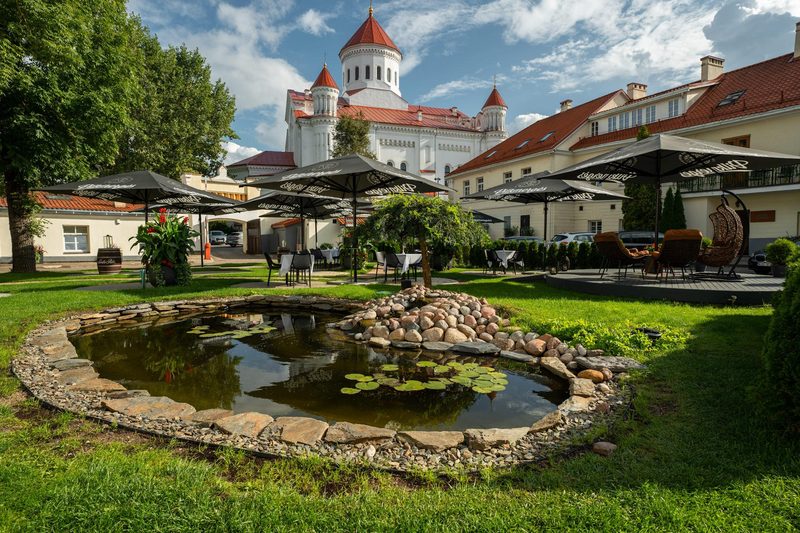
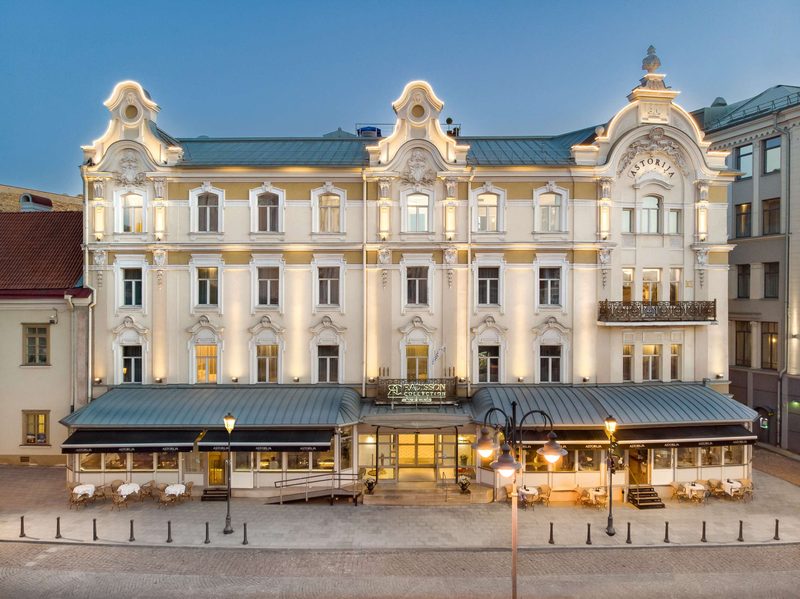
Radisson Collection Astorija Hotel, Vilnius
From $168 / night
Check Prices on Trip.com →
Packing Checklist
Bookmark this page — your progress is saved between visits
Need the full list with shopping links?
Climate-specific gear, brand recommendations, and what to leave at home.
View Lithuania Packing List →Essential Tips
Insider knowledge and common pitfalls to avoid
Insider Knowledge
Lithuanians are quietly proud of their food. They are slightly annoyed that nobody outside the Baltics seems to know about it. Cepelinai, the potato dumplings the size of a small football stuffed with ground meat or curd and doused in a sour cream and bacon sauce, are the national dish. They are heavier than you expect. Order one as a starter, not two as a main, unless you want to spend the afternoon in a food coma. The best cepelinai have a thin, almost translucent potato skin and a filling seasoned with enough black pepper to cut through the richness. Halės Turgus, the covered market in Vilnius that has operated since 1906, is the place to try smoked fish, local cheeses, and dark rye bread that has a density and sour tang unlike anything you have encountered elsewhere in Europe.
Lithuania is one of the safest countries in Europe for travellers. September's lower tourist numbers make it even more so. Vilnius, Kaunas, and the coastal towns are all walkable at night without concern. The usual urban awareness applies, around the train station areas. But violent crime against visitors is essentially nonexistent. The one genuine nuisance is cobblestone-related ankle injuries. Emergency rooms in Vilnius see a steady trickle of these from tourists in inappropriate footwear.
Užupis, the neighbourhood across the Vilnelė River from Vilnius's Old Town, declared itself an independent republic in 1997. It has a constitution, a president, and a border crossing that stamps your passport on April Fool's Day. The constitution, mounted on a wall in Paupio Street in dozens of languages, includes articles like 'a cat is not obliged to love its owner but must help in times of need.' The neighbourhood is interesting beyond the joke. It is full of artist studios, small galleries, and a grittier energy than the polished Old Town across the river. In September, with the summer pop-up bars packed away, it returns to its quieter, more local character.
Lithuanian craft beer has undergone a quiet revolution. September is harvest season for many of the small breweries using locally grown hops and grain. Kaunas in particular has a concentration of taprooms and microbreweries within walking distance of each other along Vilniaus Street. The traditional Lithuanian farmhouse ale style, kaimiškas, is unfiltered, slightly sour, and brewed with methods that predate industrial brewing by centuries. It tastes nothing like the craft IPAs you might be used to. It is more like a wild cider crossed with sourdough bread, and it is the kind of thing you either find fascinating or push aside after two sips. Try it at least once.
Avoid These Mistakes
Avoid spending the entire trip in Vilnius. Do not treat Lithuania as a single-city destination. Vilnius is worth two to three days, but Lithuania's real character lives outside the capital: the dunes and fisherman's cottages of the Curonian Spit, the interwar architecture of Kaunas, the lake-studded forests of Aukštaitija, the pilgrimage site of the Hill of Crosses near Šiauliai. The country is compact enough that nowhere is more than four hours from Vilnius by car or bus. The regional differences are surprisingly sharp for a nation of under three million people.
Do not pack only for the daytime high of 17 degrees Celsius (63 degrees Fahrenheit). You will get caught out by evenings that drop to 8 degrees Celsius (47 degrees Fahrenheit) or lower. September in Lithuania has a deceptive quality. Sunny afternoons feel almost summery. But the moment the sun drops behind the treeline the temperature falls fast. If you are out at a lakeside restaurant or walking back from Gediminas Tower at dusk, a t-shirt and jeans will not be enough. Locals layer instinctively and you should too.
Do not assume the Curonian Spit is a quick day trip from Vilnius. It is not. Klaipėda, the gateway city to the spit, is about 300 kilometres (186 miles) from Vilnius, a four-hour drive or a comfortable overnight train ride. Trying to do the spit as a rushed day trip from the capital means spending most of your time on the road and arriving too tired to appreciate the landscape. Give it at least two nights, ideally in Nida, where the dunes, the lagoon, and the quiet of the village at dusk are worth the extra time.
Ready to plan your trip to Lithuania?
Now that you've got the research covered, here's where to go next.
Book Experiences in Lithuania
Top-rated things to do in Lithuania this September

Explore More Activities in Lithuania
Didn't see anything interesting yet?
Browse Viator's full catalog of tours, day trips, food experiences, and private guides in Lithuania.
See All Lithuania Tours on Viator