
Things to Do in Lithuania in November
November weather, activities, events & insider tips
Low Season · Budget Friendly
November Weather in Lithuania
Long-run averages for November in Vilnius
39°F (3°C)
High Temp
31°F (0°C)
Low Temp
1.9 inches (48 mm)
Rainfall
89%
Humidity
1
Sunny-Day UV
⚠ First frost and occasional ice on cobblestoned streets, in Vilnius Old Town and Trakai, create genuine slip hazards. Morning frost on untreated stone surfaces is common. The combination of wet leaves and near-freezing temperatures makes careful footwear essential. Pack sturdy boots.
⚠ Dense fog settles into river valleys and lowlands with little warning, in the Neris and Nemunas corridors. If you are driving between cities, expect reduced visibility on highways and secondary roads on at least a few November mornings. Fog can also obscure the otherwise rewarding views from elevated points like Gediminas Hill. Check forecasts daily.
⚠ Daylight is limited to roughly eight hours, with sunrise near 7:30 AM and sunset before 4:30 PM. This compresses outdoor sightseeing and affects travel photography. The low sun angle means overcast skies produce flat, grey light for much of the day. Plan indoor backups.
Making the most of November in Lithuania? Browse tours and activities in Lithuania on GetYourGuide.
Is November Right for You?
Weigh the advantages and considerations before booking
Advantages
- + All Saints' Day on November 1st turns Lithuania's cemeteries into fields of candlelight that rank among the most moving spectacles anywhere in Europe. Rasų Cemetery in Vilnius alone glows with tens of thousands of candles, and the quiet ritual of families tending graves cuts through any language barrier. You will not forget it.
- + Deep low season means Vilnius Old Town, a UNESCO World Heritage site with one of Europe's largest medieval quarters, is yours to walk without dodging tour groups. Galleries, churches, and cobblestone lanes that choke with visitors in July feel intimate and unhurried in November's cold quiet.
- + Lithuanian comfort food reaches its peak in the cold months. Cepelinai, the dense zeppelin-shaped potato dumplings stuffed with ground pork and drowned in sour cream and cracklings, taste categorically better when the temperature outside sits near freezing. Restaurants lean into seasonal menus built around root vegetables, smoked meats, and dark rye bread with caraway that fills every bakery with a warm, yeasty bite.
- + Accommodation and flight prices drop to their annual floor. Hotels in Vilnius Old Town that command premium rates in summer are available at budget-friendly prices with same-week booking, and you can often upgrade to higher room categories for what a standard room costs in peak season.
Considerations
- − Daylight shrinks to roughly eight hours. The sun rises around 7:30 AM and sets before 4:30 PM, which compresses your sightseeing window and means most outdoor photos carry a grey, flat light unless you catch the brief golden hour around 3:30 PM. Plan indoor activities for the dark bookends of the day.
- − Cold, damp air at 89% humidity makes 3°C (39°F) feel significantly colder than the number suggests. This is not a dry alpine chill but a Baltic dampness that seeps through cotton and settles into joints. Without proper layering, two hours outdoors becomes uncomfortable.
- − Coastal and nature destinations operate at reduced capacity or close entirely. The Curonian Spit, Lithuania's finest natural landmark, is stark and hauntingly empty in November, which appeals to some. But ferry schedules thin out and most guesthouses in Nida shut for the season. Outdoor adventure options narrow considerably.
Short on time in November? See day trips around Lithuania on GetYourGuide.
Best Activities in November
Top things to do during your visit
Vilnius Old Town Heritage Walks
November strips Vilnius Old Town down to its bones, and that turns out to be a gift. The baroque facades along Pilies Street glisten under rain, amber-lit shop windows throw warm rectangles onto wet cobblestones, and the sound of your own footsteps echoes off the walls of courtyards that swallow entire tour groups in summer but now hold only you and maybe a cat. Start at the Gates of Dawn, where the chapel's sixteenth-century Madonna icon still draws a small crowd of worshippers regardless of season, their breath fogging as they pray. Wind north through the university quarter, where the 430-year-old Vilnius University campus opens onto hidden courtyards with frescoed arcades that most visitors never find because the entrances look like residential doorways. The cold keeps you moving at a pace that suits the scale of Europe's largest baroque old town: brisk enough to cover ground, slow enough to notice the tilework, the iron balconies, the way the Cathedral bell tower leans slightly if you stand at the right angle on Cathedral Square. November fog occasionally settles into the Vilnia river valley below Gediminas Hill, and when it lifts, the view from the castle tower opens across red rooftops to the TV Tower on the western ridge. Guided walks in low season tend to be smaller and more conversational, which is when the real stories come out.
Booking Tip: Book a guided walk two to three days ahead through licensed operators. Small-group or private options are easier to arrange in November than any other month. See current options in the booking section below for available Vilnius walking tours.
Trakai Island Castle Day Trips
Trakai Castle sits on an island in Lake Galvė about 28 km (17 miles) west of Vilnius, and in November the lake sometimes carries a skin of ice that makes the red-brick Gothic fortress look like something from a northern European fairy tale that forgot to add the happy ending. The crowds that swamp the wooden bridge in summer vanish entirely, leaving you and maybe a dozen others to wander the reconstructed ducal halls and the exhibitions on medieval Lithuanian statehood. The castle's interior galleries, which cover the Grand Duchy of Lithuania's improbable fourteenth-century expansion from the Baltic to the Black Sea, benefit from a quiet visit where you can read the displays. Outside, the cold air smells of wood smoke from the Karaim houses in the village, a Turkic community that has lived here since the fourteenth century and still bakes kibinai, crescent-shaped pastries stuffed with mutton and onion, in wood-fired ovens. Eating one fresh from the oven on a freezing November afternoon, the pastry flaking and the filling hot enough to burn your tongue, is one of those small perfect travel moments that no amount of planning can manufacture. The town is quiet, the lake is grey, and the whole scene carries a melancholy grandeur that summer's ice-cream-and-paddleboat atmosphere obscures.
Kaunas Art and Modernist Architecture Discovery
Kaunas, Lithuania's second city and former interwar capital, quietly built one of the Baltics' finest collections of 1920s and 1930s modernist architecture during the two decades it served as substitute capital after Poland seized Vilnius. The result is a city centre where art deco apartment blocks with geometric facades and curved balconies line Laisvės Alėja, the 1.6 km (1 mile) pedestrian boulevard that forms the city's spine. November is when Kaunas turns inward toward its galleries and museums. The M. K. Čiurlionis National Museum of Art holds the largest collection of Lithuania's visionary painter-composer, whose swirling, proto-abstract canvases from the early 1900s look startlingly contemporary. The Kaunas Picture Gallery nearby anchors the city's ongoing push as a contemporary art centre, a role cemented by its 2022 stint as European Capital of Culture. Walking Laisvės Alėja on a November evening, the chestnuts bare and the lamplit cafes fogged with espresso steam, you sense a city that has stopped competing with Vilnius and settled into its own rhythm. The Ninth Fort, a sobering Holocaust memorial on the city's outskirts, demands a visit in any month but carries particular weight in November's grey solemnity.
Booking Tip: Kaunas is an easy 90-minute train ride from Vilnius, making it a comfortable day trip or a worthwhile overnight. Self-guided architecture walks work well here. But guided options add context about the interwar period that transforms the facades from pleasant to fascinating. See current Kaunas tours in the booking section below.
Lithuanian Home-Cooking and Market Experiences
November is when Lithuanian cooking stops pretending to be light. The markets shift to root vegetables, smoked sausages, forest mushrooms dried from the autumn harvest, and wheels of curd cheese pressed with caraway seeds. Halės Turgus, the covered market in Vilnius that has operated since the nineteenth century, smells of smoked eel and pickled herring in the fish section, and the dairy counter offers freshly made varškės sūris, the pressed curd cheese that crumbles like a drier, tangier paneer. The real revelation for most visitors is cepelinai, which translates to zeppelins because the dumplings resemble small airships. Made from grated raw potato packed around a core of seasoned pork, boiled until dense and starchy, then served under a ladleful of sour cream mixed with fried pork cracklings, they are the kind of dish that makes you understand why Baltic cultures survived centuries of harsh winters. A single one fills you for hours. Home-cooking experiences, where a Lithuanian family walks you through the preparation of traditional dishes in their own kitchen, turn a meal into an education. You learn to grate the potatoes, squeeze the starch water through cloth, shape the dumplings, and, most, understand the ratio of sour cream to cracklings that separates adequate cepelinai from the real thing.
Booking Tip: Home-dining and cooking experiences book out even in low season because hosts limit group sizes. Reserve at least a week ahead. Check the booking section below for available Lithuanian food experiences with local families.
Soviet Heritage and Museum Tours
Lithuania's relationship with its Soviet occupation is raw, specific, and nothing like what you have read in textbooks. The Museum of Occupations and Freedom Fights, housed in the former KGB headquarters on Gedimino Prospektas in central Vilnius, preserves the execution chamber and interrogation cells in the basement exactly as they were. The temperature drops as you descend the stairs, the concrete walls sweat with damp, and the silence down there is the kind that makes you aware of your own breathing. Guided tours with historians who grew up during the final Soviet years add testimony that no exhibit panel can replicate: stories of deportations to Siberia, the Forest Brothers partisan resistance, and the human chain of two million people that stretched across all three Baltic states on August 23, 1989. November's mood suits this material. The grey skies and early darkness outside match the weight of what you are learning inside. Pair it with the MO Museum, Lithuania's sleek modern art space near the Neris River, which contextualises the Soviet period through contemporary Lithuanian art and design that processes trauma, identity, and independence in ways that feel urgent rather than historical. The contrast between the two museums, separated by a fifteen-minute walk along the river embankment, tells you more about Lithuania than a week of surface-level sightseeing.
Booking Tip: Guided tours of the KGB Museum book up faster than you would expect, even in low season, because group sizes are capped in the basement spaces. Book at least five days ahead. See the booking section below for available guided museum experiences.
Druskininkai Spa and Forest Wellness Retreats
Druskininkai, Lithuania's spa town in the deep south near the Belarusian border, has been pulling visitors to its mineral springs since the nineteenth century, and November is arguably its best month. The pine forests surrounding the town release that sharp, resinous scent that intensifies in cold air, and the outdoor thermal pools steam against the dark treeline like something from a Scandinavian postcard. The town's spa tradition is not the generic hotel-wellness variety but something rooted in a specific mineral water composition that has been analysed, debated, and prescribed by Lithuanian physicians for over 150 years. A day alternating between dry saunas heated to 90°C (194°F), cold plunges, and soaking in mineral pools while snow or sleet falls on your head is the kind of physical experience that recalibrates your entire nervous system. The Lithuanian sauna tradition, pirtis, involves birch-branch whisking and a level of heat tolerance that will humble you if you are used to gentler Western spas. Start with a guided session where an attendant controls the temperature and the whisking intensity. Druskininkai also happens to sit next to Grūtas Park, the open-air collection of Soviet statues removed from Lithuanian towns after independence, scattered through the forest like a surrealist sculpture garden. Walking among toppled Lenins and heroic-worker bronzes in the November mist, with the smell of wet pine needles underfoot, produces an atmosphere no curator could have planned.
Booking Tip: Druskininkai is about 130 km (81 miles) south of Vilnius, reachable by bus in under two hours. Spa packages that bundle treatments with thermal pool access offer better value than booking individually. Reserve spa sessions a few days ahead. Check the booking section below for Druskininkai day-trip and wellness options.
Where to Stay in Lithuania in November
Hand-picked hotels across price tiers for November travellers.
★★★★★
Luxury
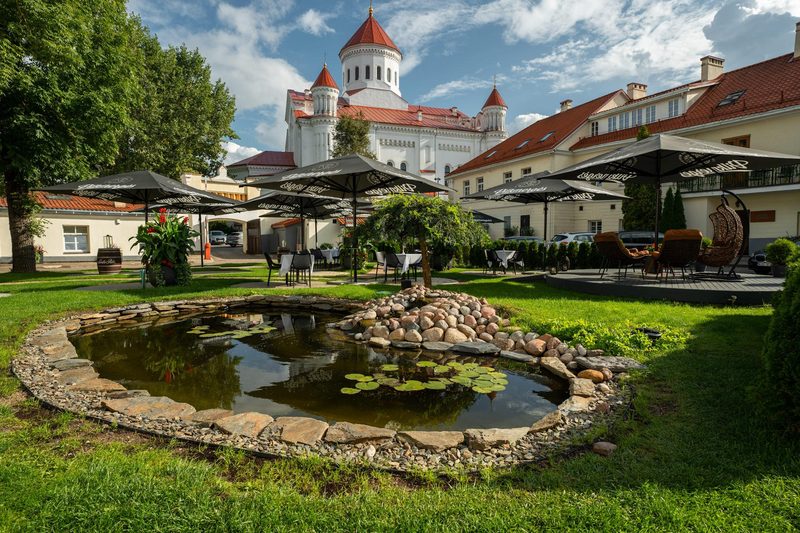
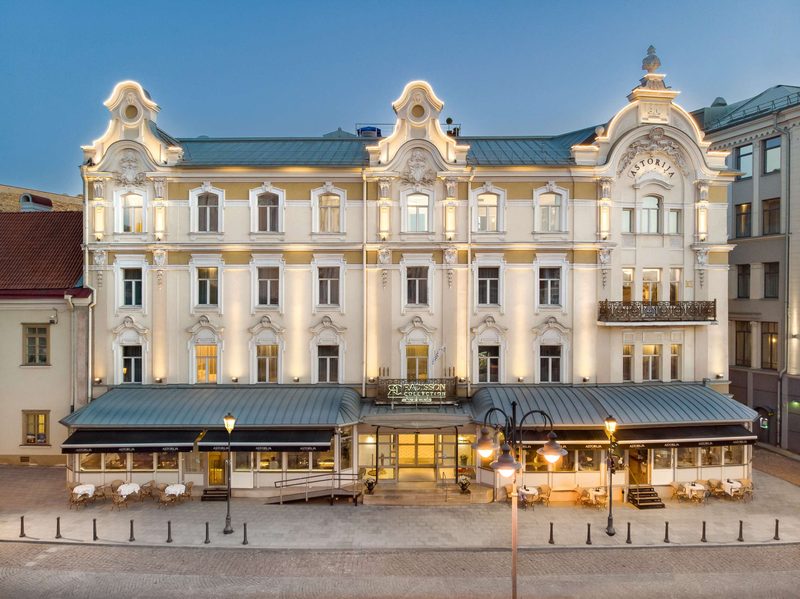
Radisson Collection Astorija Hotel, Vilnius
From $168 / night
Check Prices on Trip.com →
Public Holidays in November
Dates that affect opening hours, transport and crowds
Visų šventųjų diena
Known in English as All Saints' Day. Observed nationwide as a public holiday.
Vėlinės
Known in English as All Souls' Day. Observed nationwide as a public holiday.
Visų šventųjų diena
Known in English as All Saints' Day. Observed nationwide as a public holiday.
Vėlinės
Known in English as All Souls' Day. Observed nationwide as a public holiday.
Visų šventųjų diena
Known in English as All Saints' Day. Observed nationwide as a public holiday.
Vėlinės
Known in English as All Souls' Day. Observed nationwide as a public holiday.
Packing Checklist
Bookmark this page — your progress is saved between visits
Need the full list with shopping links?
Climate-specific gear, brand recommendations, and what to leave at home.
View Lithuania Packing List →Essential Tips
Insider knowledge and common pitfalls to avoid
Insider Knowledge
The real Vėlinės experience develops at neighbourhood cemeteries, not just famous ones. Rasų and Antakalnis draw crowds and photographers. Smaller cemeteries in Žvėrynas, Šnipiškės, or any Lithuanian town produce identical candlelit landscapes without performers playing to an audience. Walk into any cemetery on November 1st evening and you will see it.
Lithuanian coffee culture has quietly become Northern Europe's best. Vilnius runs on specialty roasters. The city's ratio of independent coffee shops to chain outlets exceeds most European capitals. The roasting scene clusters around Užupis and Old Town borders. November mornings warming up between museum visits with a flat white from beans roasted that same week ranks among cold-month visiting's understated pleasures.
Lithuanians stay reserved until they do not. Do not mistake initial formality for unfriendliness. Show genuine interest in the country. Ask a specific question about independence history or regional food. The reserve drops instantly. You may find yourself invited to longer conversations than planned. The cultural code resembles Finnish reserve more than Polish warmth. Small effort on your side unlocks real generosity.
The Vilnius to Kaunas train beats the bus for speed, frequency, and comfort. It runs roughly hourly, takes about seventy-five minutes, and deposits you at Kaunas station within walking distance of Old Town. Avoid driving between cities in November. Fog on the A1 highway reduces visibility to dangerous levels on bad mornings. Lithuanian drivers outside Vilnius tend toward speeds assuming clear conditions.
Avoid These Mistakes
Do not underestimate how early darkness falls. Visitors planning outdoor sightseeing until 5 PM based on summer habits stumble through unfamiliar streets in full dark. Front-load outdoor activities to first light, around 7:30 AM. Schedule museums, galleries, and indoor dining for afternoon and evening.
Dress for humidity, not just temperature numbers. Three degrees Celsius with 89% humidity feels colder than minus ten in dry continental air. Visitors arriving from drier climates at similar temperatures pack too lightly. They spend first days buying emergency layers from Vilnius shops. Dress for damp cold.
Do not skip Kaunas. First-time visitors concentrate on Vilnius and treat Kaunas as optional. The interwar architecture, Čiurlionis museum, and Laisvės Alėja street art scene show a different Lithuania than Vilnius offers. At seventy-five minutes by train, no logistical excuse exists to skip it.
Ready to plan your trip to Lithuania?
Now that you've got the research covered, here's where to go next.
Book Experiences in Lithuania
Top-rated things to do in Lithuania this November

Explore More Activities in Lithuania
Didn't see anything interesting yet?
Browse Viator's full catalog of tours, day trips, food experiences, and private guides in Lithuania.
See All Lithuania Tours on Viator